
Melbourne & Victoria · Market Evidence 2026
Commercial Property Investment
Melbourne & Victoria
Storage units, strata warehouses and office-warehouse property in Melbourne’s land-constrained established suburbs, backed by the latest market research and assessed against your strategy, including how it may fit inside an SMSF.
Find The Right Property For Your Strategy
Looking For A Commercial Property Investment In Melbourne Or Victoria?
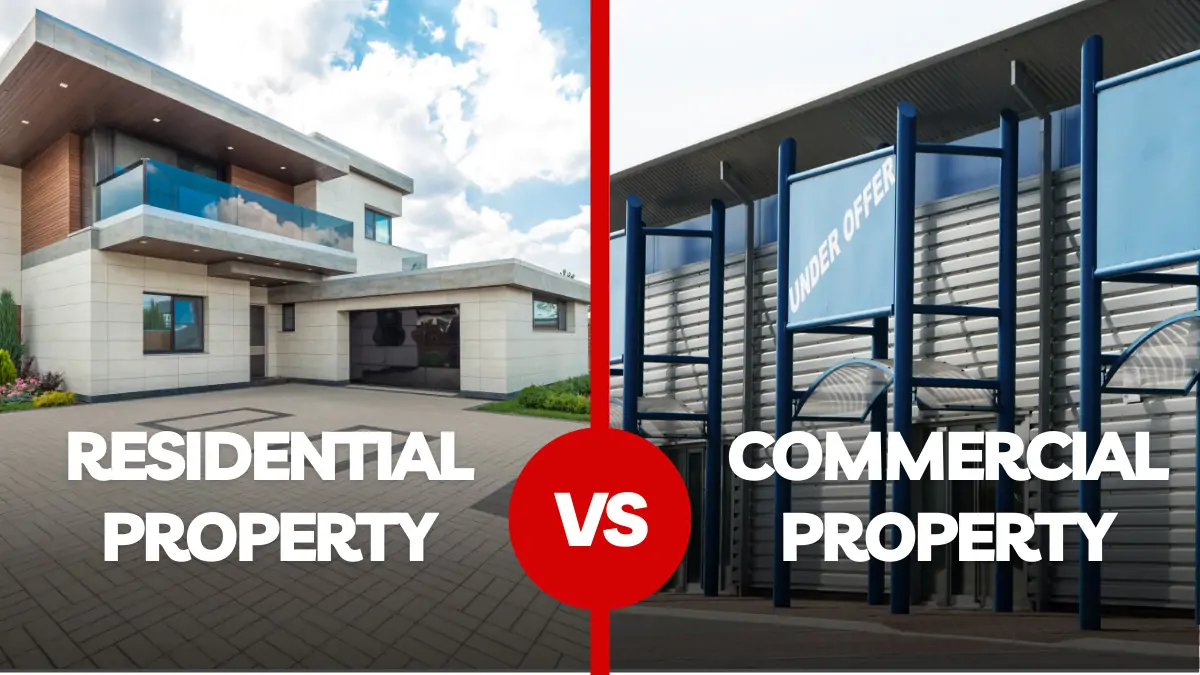
Commercial property can offer investors rental income, longer lease terms and portfolio diversification. However, commercial property is fundamentally different from residential property and requires a different approach to due diligence and risk assessment.
At properT network, we help investors investigate commercial property opportunities that may complement their broader investment strategy, financial objectives and existing portfolio.
Through our extensive property industry experience and network of developers, agents, property professionals and other industry contacts, we can investigate commercial property opportunities across Melbourne, Victoria and Australia.
Our role is not simply to find a commercial property with an attractive advertised yield.
It is to determine whether the property, tenant, lease, location, price and investment fundamentals make sense for you — and, where relevant, whether it’s an appropriate fit within an SMSF structure.
Melbourne Industrial · The Numbers
What The Latest Melbourne Research Shows
Independent economic and planning consultancy Urbis presented its Melbourne industrial outlook in October 2026. These are the figures we think matter most for investors.
Source: Urbis, Melbourne industrial market outlook, October 2026, drawing on MSCI, Pricefinder, RP Data, ABS, DEWR, the Victorian Skills Authority and the Urban Development Program 2025. Industrial return and price data cover strata warehouses of 100–500 m².
Strategy first.
Property second.
Why Melbourne Industrial
Industrial Has Outperformed Every Other Commercial Sector In Victoria
Over the past decade, industrial property in Victoria has returned about 13% a year. Office has returned about 9% and retail about 7%. The gap widened after 2020, as online retail, trades and small businesses competed for a limited pool of well-located space.
The strongest part of the market has been small-format strata warehouses of 100 to 500 m². These are the units bought by investors, SMSFs and owner-occupiers and leased to local businesses. Their median sale price rose about 89% between 2020 and 2025, roughly 14% a year, and median rents rose about 69%, roughly 11% a year.
That is why most of the Melbourne options we are seeing are storage units, micro warehouses and strata warehouses rather than offices or shops.
Average annual return, last 10 years · Victoria
Indexed returns, December 2014 to December 2025. Source: Urbis, using MSCI, RP Data and Pricefinder. Past performance is not a reliable indicator of future performance.
Supply
Melbourne Is Running Out Of Useable Industrial Land
Officially, Greater Melbourne has 4,405 hectares of zoned, vacant industrial land, or about 14 years of supply. Urbis estimates the land that can actually be used is closer to three to five years’ worth.
Inner Melbourne
10 haOnly 2.3% of zoned industrial land is still vacant.
Middle Ring
195 haJust 1.7% vacant, the tightest part of Melbourne, and where most small businesses want to be.
Outer Growth Areas
1,845 ha17.4% vacant, but much of it is still waiting on roads, services or nearby demand.
Why the official figure overstates what is really available:
Inner and middle-ring industrial land is not being created, and some is being lost to housing. As outer areas stall, demand is pushed back toward the established suburbs.
Zoned and vacant supply, 2025. Outer figures exclude the Mornington Peninsula and Yarra Ranges. Source: Urbis; Urban Development Program 2025.
Demand
Who Is Driving Demand For Small Warehouses
Small businesses, population growth and jobs are all pointing the same way: toward well-located, small-format space.
Small Businesses
Almost all industrial business growth in Greater Melbourne from 2021 to 2025 came from enterprises with fewer than 20 staff, including sole traders. They need 100 to 300 m², not a distribution centre.
Small Lots Filling Up
Occupied industrial lots under 1,000 m² rose from about 33,000 to about 45,000 between 2021 and 2025. Larger lot sizes barely moved.
New Jobs A Year, Outer Suburbs
Between 2015 and 2025, outer Melbourne added about 34,700 jobs a year, the middle ring 22,200 and the inner city 7,700. Jobs follow population.
Industrial Jobs Ahead
Primary and industrial work is expected to provide about a quarter of Melbourne’s employment growth from 2026 to 2036, level with healthcare.
Victoria Keeps Growing
From 7.2 million people in 2026, Victoria is projected to grow about 17% by 2036, ahead of the rest of Australia at about 13% and NSW at about 10%.
Where Growth Is Directed
Planning is steering population growth into the middle ring. Businesses follow their customers, which keeps established-area industrial in demand.
Source: Urbis, Melbourne industrial market outlook, October 2026, drawing on MSCI, Pricefinder, RP Data, ABS, DEWR, the Victorian Skills Authority and the Urban Development Program 2025. Industrial return and price data cover strata warehouses of 100–500 m².
Prices & Rents
A Simple Benchmark For Any Melbourne Warehouse
In 2025 the median strata warehouse in Greater Melbourne sold for about $3,700 per m² and rented for about $170 per m² a year. That works out to a gross yield of roughly 4.6%.
Use those numbers as a sense check. Divide the price by the floor area. A unit well above $3,700 per m² needs a reason, such as an inner location, a mezzanine, extra parking or a lease already in place. If the advertised yield is well above the market, check whether a rental guarantee is propping it up.
The spread is wide. In 2025, sales ranged from about $1,700 to $7,000 per m², depending on location, size and quality. That is why we assess every option individually rather than relying on a headline yield.
Median sale price, $ per m²
Median rent, $ per m² a year
Strata warehouses of 100–500 m², Greater Melbourne. Medians are approximate, read from Urbis charts using Pricefinder and RP Data.
What Is Commercial Property Investment?
Which Commercial Property Type Suits Your Strategy?
Commercial property covers a wide range of asset types, each with a different tenant profile, lease structure and risk and return characteristics. In Melbourne, most of what we are seeing right now is small-format industrial.
From ~$117,000
Storage Units & Micro Warehouses
The lowest entry point into commercial property. Demand comes from apartment living, downsizing, online sellers, trades and businesses storing stock and equipment.
From ~$500,000
Warehouse & Industrial Units
Strata warehouses of about 90–330 m², often with a mezzanine, roller door, three-phase power and on-title parking. The core of the small-business demand shown above. Nationally, industrial vacancy is sitting around 3.2%, with net yields of roughly 4.5–6.5% depending on location (Scott O’Neill, Rethink Group, Oct 2026).
From ~$650,000
Office, Showroom & Mixed-Use
Office-warehouse hybrids, showrooms and office suites. Office has trailed industrial over the past decade, so tenant quality and location matter even more.
Retail Property
Shopfronts, showrooms and similar premises leased to retail tenants, typically with exposure to foot traffic and consumer demand.
Worth Exploring
Business Real Property
Property used wholly and exclusively in a business — one of the few commercial categories that, under strict arm’s-length terms, can also be leased to a related party.
Not Sure Yet?
We compare commercial and residential side by side, using your own numbers, before talking about any property.
Ask UsWhat Adds Value
What We Look For In A Strata Warehouse
Newer small-format estates are competing on more than floor space. These are the features Urbis identified behind the strongest value growth, alongside the fundamentals we always check.
- Close to customers, transport routes and amenity
- Established infrastructure already in place
- Lift access to upper-level units
- Shared co-working space and meeting rooms
- Gym, wellness and sustainability features
- Natural light and above-ground warehouse space
- Flexible layouts that suit more tenants
- Little land nearby for competing supply
Current Melbourne & Geelong Options
What Is Potentially Available, Corridor By Corridor
A snapshot from stocklists dated early November 2026. Of the 31 commercial options in our national list, 22 are in Melbourne, the Mornington Peninsula and Geelong. Availability changes weekly, so ask us for the current list, full pricing and our assessment of each one.
6 options
North, North-East & East
- Suburbs
- Coburg North, Coburg, Campbellfield, Epping, Heidelberg West, Bayswater
- Price range
- $117k – $1.22m
- Indicative yield
- Approx. 4.2–6.5%
8 options
South-East
- Suburbs
- Mentone, Cheltenham, Highett, Huntingdale, Oakleigh South, Mulgrave, Seaford, Pakenham
- Price range
- $142k – $1.67m
- Indicative yield
- Approx. 4.1–6.3%
4 options
West
- Suburbs
- Truganina, Laverton North, Williamstown North, Werribee
- Price range
- $650k – $952k
- Indicative yield
- Approx. 4.8–6.0%
2 options
Mornington Peninsula
- Suburbs
- Mornington, Tyabb
- Price range
- $317k – $1.24m
- Indicative yield
- Approx. 4.0–5.0%
2 options
Geelong
- Suburbs
- Breakwater, Bell Park
- Price range
- $161k – $1.1m
- Indicative yield
- Approx. 5.0–5.9%
9 options
Beyond Victoria
- Suburbs
- Sydney, Central Coast, Newcastle, Canberra, South East Queensland, Adelaide
- Price range
- From about $312k
- Indicative yield
- Approx. 4–6.4%
Prices may include or exclude GST. Yields are approximate, based on estimated or advertised rent, and some include rental guarantees, which can be priced into the purchase. Locations are general; individual properties are disclosed on enquiry.
Beyond The Advertised Yield
Not All Commercial Property Is Investment Grade
Commercial property carries a different risk profile to residential — longer leases can mean longer vacancies too. We look at the bigger picture.
Location
What is actually driving tenant demand in the area, beyond the label of a “growth precinct.”
Lease & Tenant Covenant
How strong is the tenant, how long is the lease, and what happens at expiry?
Vacancy Risk
Commercial vacancies can run longer than residential — what would holding costs look like if the property sat empty?
Building & Compliance
Does the building meet current codes, and what capital works might be required?
Market Depth
Commercial property typically has fewer buyers and sellers than residential — what does that mean for resale?
Land & Improvements
What portion of the value is land, and how does that compare with alternatives?
Outgoings
Council rates, land tax, insurance and maintenance — and who is responsible for each under the lease.
Growth Potential
What factors could support long-term capital growth for this property specifically?
Cash Flow & Exit Strategy
What will the property realistically cost to hold, and who is likely to want to buy it in future?
A Balanced View
What Could Work Against You
Not every part of the industrial market is booming. Knight Frank reported that prime Melbourne industrial yields softened to about 6.0% by mid-2026 and prime warehouse values slipped about 1.7% over the year, while overall vacancy rose to about 4.5% early in 2026.
Most of that relates to large, prime warehouses rather than small strata units in established suburbs. Even so, recent growth of 11–14% a year is history, not a forecast. When we model commercial property for clients, we use 5–7% a year.
Source: Knight Frank, Melbourne Industrial State of the Market, Q2 2026.
What We Check On Every Option
- Price per m² against the local market
- The rent the market will pay after any guarantee ends
- Lease term, rent reviews and who pays outgoings
- GST, and whether it can be claimed back
- Deposit (from about 20%, with lenders now considering up to 80% LVR) and a buffer for vacancy
- Who the likely buyer is when you sell
A Different Way To Use Leverage In Super
Commercial Property & Your SMSF
From 10 August 2026, SMSFs can no longer enter new Limited Recourse Borrowing Arrangements (LRBAs) to buy residential property. Existing residential LRBAs are unaffected and can still be refinanced. Commercial and business real property is different — an SMSF can still borrow to acquire it, which makes commercial one of the few remaining ways to use leverage inside super.
What’s Still Possible
Borrowing Inside Your SMSF
Lenders will now consider commercial SMSF loans at up to 80% LVR (historically closer to 70%), so a deposit of around 20% plus purchase costs and a cash buffer may be enough, with capital growth and rental income both applying to the full property value, not just the cash contributed.
Business real property is also one of the few assets an SMSF can acquire from, and lease to, a related party — including a fund member’s own business — provided it’s done on strict arm’s-length commercial terms.
Worth Discussing With Your Adviser
- Whether your fund has a large enough deposit to gear into a commercial property
- Whether a business real property strategy suits premises you or your business already occupy
- How a bare trust / holding trust structure applies to an SMSF commercial loan
- How rental income and capital gains are taxed inside super versus in your own name
General information only, not personal financial, legal, tax or lending advice. SMSF borrowing rules are strict and carry real risk, including the risk of loss. Speak with your accountant, financial planner or SMSF specialist about whether a commercial property strategy is appropriate for your fund before making any decision. Full detail on the residential LRBA changes is available directly from the ATO.
Access, Not Just A Listing
Access To A Broad Property Network
Through our extensive experience in the Australian property industry, properT network has developed relationships with a broad range of property professionals, including those experienced in commercial and SMSF transactions. Access does not mean recommendation — we assess each opportunity against your strategy before recommending you consider it.
Why Work With properT network
Strategy Before Property
With extensive experience in property investment advisory and buyers advocacy, we are not simply interested in helping you purchase a property. We want to help you make an informed investment decision.
How We Help You Choose
Our Commercial Property Selection Process
Understand Your Objectives
What you want your property investment portfolio — personal or SMSF — to achieve.
Establish Your Strategy
Your budget, borrowing capacity, existing portfolio, desired income and long-term objectives.
Identify Suitable Property Types
Retail, office, industrial or business real property — whichever may be appropriate for your strategy.
Research Locations
Infrastructure, tenant demand, supply and other commercial investment fundamentals.
Confirm Borrowing Capacity
Including SMSF lending criteria, where a fund is intending to borrow to acquire the property.
Source Opportunities
Using our industry network to identify suitable properties and developments.
Assess The Numbers
Purchase price, rental income, outgoings, holding costs, potential yield and other financial considerations.
Conduct Due Diligence
Investigating the property, tenant, lease, contracts and relevant risks.
Help You Decide
Providing the information and guidance you need to make your own informed decision.
Property Option Types
Australia-Wide, Melbourne-Focused
Looking For A Commercial Property Investment In Melbourne Or Victoria?
Let’s Find The Right Commercial Property For You
Tell us what you are trying to achieve, your budget, your borrowing structure — personal or SMSF — and your investment objectives, and we can investigate suitable commercial opportunities across Melbourne, Victoria and Australia.
Enquire About Commercial PropertyOne Network. Nationwide Reach.
Part Of The properT network Family
Investment Property Melbourne is one specialist site within the properT network group — the same independent advisory approach, applied across states and property types.
Common Questions
Frequently Asked Questions
Is Melbourne industrial property still growing?
Small-format strata warehouses have been the strongest part of the market. Urbis found median prices rose about 89% and rents about 69% between 2020 and 2025. The large prime warehouse market softened in 2026, so we treat recent growth as history, not a forecast, and model 5–7% a year.
What yield does a Melbourne strata warehouse return?
In 2025 the median strata warehouse sold for about $3,700 per m² and rented for about $170 per m² a year, a gross yield of roughly 4.6%. The Melbourne options we are currently seeing range from about 4% to 6.5%, depending on location, size and whether a rental guarantee applies.
Why does industrial land supply matter to investors?
Rents and values hold up when new space is hard to add. Less than 2% of zoned industrial land in inner and middle Melbourne is still vacant, and Urbis estimates only three to five years of useable supply remains across the city.
What types of commercial property are available in Melbourne?
Commercial property in Melbourne includes retail premises, office space, industrial and warehouse property, and business real property used wholly and exclusively in a business.
Can I buy commercial property through my SMSF?
Yes. Unlike new residential property, which SMSFs can no longer borrow to acquire as of 10 August 2026, commercial and business real property can still be purchased using a Limited Recourse Borrowing Arrangement. Whether this suits your fund depends on your circumstances — speak with your accountant or financial planner.
Can my SMSF buy the premises my own business operates from?
Potentially, yes. Business real property is one of the few assets an SMSF can acquire from, and lease to, a related party, including a fund member’s own business — provided the arrangement is on strict arm’s-length commercial terms. This is general information only, not advice specific to your situation.
Is commercial property riskier than residential property?
It carries a different risk profile rather than simply being “riskier.” Commercial leases tend to be longer, but vacancies can also run longer, and there are typically fewer buyers and sellers in the market than for residential property.
Do you provide SMSF or lending advice?
properT network does not provide personal financial, legal, tax or lending advice. We help investigate commercial property opportunities that may suit your strategy, and recommend you work with your accountant, financial planner or SMSF specialist on the advice side.
Do you help with commercial property outside Melbourne?
Yes. Although this website focuses on Melbourne, properT network has an Australia-wide property investment network and can investigate suitable commercial opportunities in other locations where appropriate.
Keep Reading