
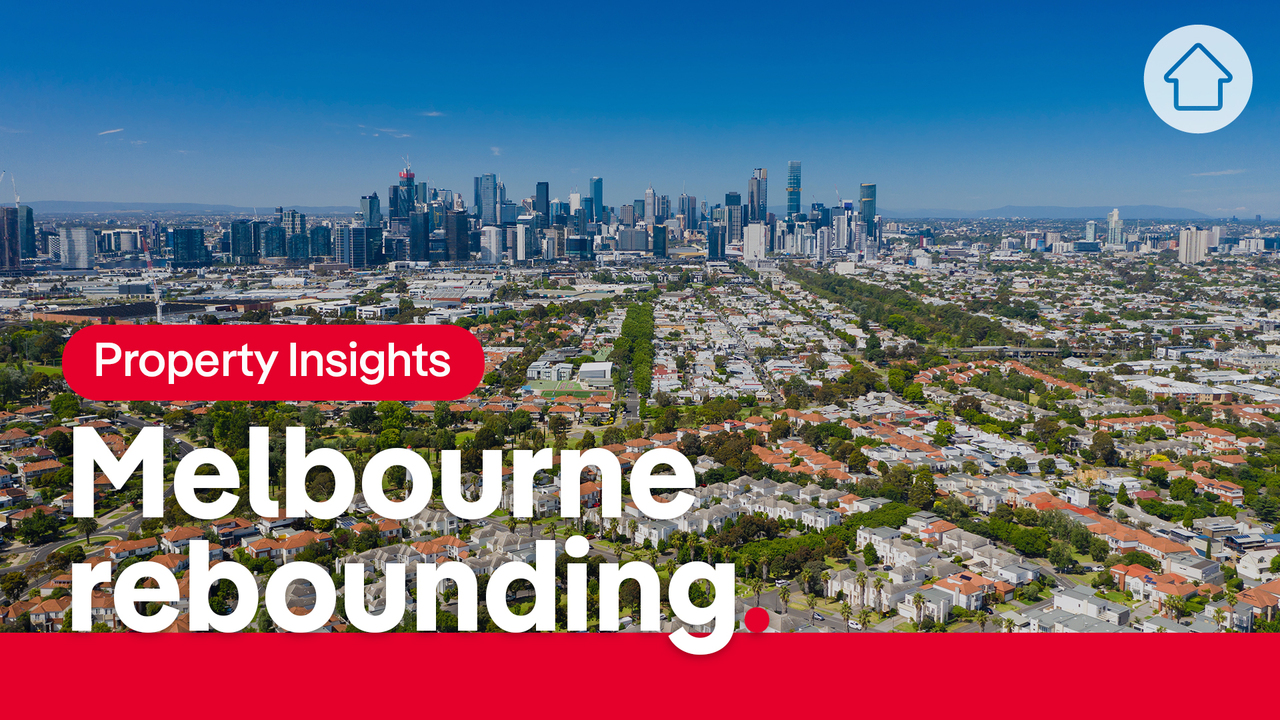
Melbourne’s Property Market Rebounds: Sales Surge, Strong Migration, and a Clear Setup for 2026 Growth
Melbourne’s revival throughout 2025 has now accelerated into a full-scale market rebound. Sales activity, buyer confidence and on-the-ground momentum are all positively moving in the same direction, and the data now confirms what investors have been sensing: “Melbourne is repositioning itself as one of Australia’s strongest capital-growth opportunities heading into 2026.”
Residential sales volumes are 15% higher than 6 months ago, demonstrating a broad lift in demand across both housing and unit markets. Market analysts ranking system demonstrate 70% of Greater Melbourne markets now hold positive classifications, up from 64% three months ago and only 51% six months earlier.
This is a decisive shift.
It signals that the majority of Melbourne suburbs are moving into rising-market territory and/or showing solid consistency.
With home buyers and investors now active across the city, Melbourne is looking set to be one of Australia’s leading markets for price growth in 2026.
Why Melbourne Looks Undervalued and Positioned for a Breakout
Analysts quote, Melbourne’s current value proposition is difficult to ignore. Prices across the metropolitan area have been flat or slightly declining over the past two to three years demonstrating growth now and into 2026 whilst markets such as Adelaide, Brisbane and Perth have already surged ahead.
This divergence means Melbourne is comparatively affordable, offering investors a chance to enter a major capital city at pricing not reflective of its long-term fundamentals where investment opportunity is already there on the back of continued rising supply and lower building approvals, widening the gap between demand and supply.
The revival is underpinned and supported by:
- High population growth, driven heavily by continued overseas migration.
- Significant wide spread investment in large-scale infrastructure across transport, health and education.
- Affordable outer-ring markets, where demand for suited housing consistently outpaces supply.
- Lower approval rating for new builds / units further widening the gap between demand and supply to own or rent.
These drivers anchor Melbourne’s long-term resilience and fuel the current surge in sales activity.
Outer-Ring Housing Markets Lead the Charge
The most buoyant activity is occurring in Melbourne’s outer-ring regions, where relative affordability attracts both first-home buyers, families who are unable to live in an apartment or afford a townhouse and investors seeking strong rental returns and long-term growth.
Key outperforming LGAs include:
- Casey
- Frankston
- Dandenong
- Hume
- Wyndham
- Melton
- Whittlesea
Frankston: A Standout Leader
Frankston continues to rank as one of Melbourne’s strongest markets, with the majority of suburbs achieving positive classifications. Quarterly sales have risen steadily for 18 months, supported by affordability, lifestyle amenity and improving local infrastructure.
Casey and Dandenong: Consistent Upward Momentum
Casey, home to high-demand suburbs including the Cranbourne precinct, is recording sustained sales growth. Adjacent Dandenong is displaying similar strength, with continuous uplift in buyer activity.
Melton: High Activity with a Watch on Vacancy
Melton’s western corridor shows elevated demand, with 21 of 27 analysed markets now positively classified. It remains one of Melbourne’s busiest new-build regions. High vacancy in some pockets requires careful product and location selection, but the sales momentum is clear. map
Wyndham and the Southwest: A Model of Consistency
The Wyndham LGA continues to demonstrate dependable sales activity across its major suburbs.
- Point Cook, Tarneit, Hoppers Crossing and Werribee are all classified as consistent markets.
- Wyndham Vale stands out as a rising market.
Affordable price points combined with ongoing infrastructure and transport upgrades make this an area of strong medium-term potential.
Northern Growth Corridors: Hume and Whittlesea Surge
Hume and Whittlesea remain two of the busiest markets in Victoria. Demand is being driven by:
- relative affordability
- upgraded transport links
- rapid population expansion
- ongoing development of new estates and service infrastructure
These areas continue to deliver the type of market depth and consistency that long-term investors seek.
Middle-Ring Strength: Moonee Valley and Whitehorse
Melbourne’s established middle-ring is also showing renewed strength.
- Moonee Valley is recording elevated sales over consecutive quarters.
- Whitehorse continues to appear across multiple reporting cycles, driven by strong owner-occupier demand and improving unit sales.
These areas offer the combination of stable long-term growth and strong lifestyle appeal, with proximity to major employment zones.
Unit Markets: Inner-City Momentum Returns
After several subdued years, Melbourne’s inner-city apartment market has turned a corner, supported by the return of migrants, students and professionals.
Key unit markets showing rising or consistent activity include:
- City of Melbourne: Carlton, Melbourne CBD, and Port Melbourne are all rising markets.
- Docklands, Southbank: consistent with strengthening demand.
- City of Yarra: Collingwood, Cremorne and Richmond also classified as consistent.
- City of Kingston: One of the strongest middle-ring unit markets, with steadily rising quarterly sales.
These precincts offer affordability and high rental absorption, making them compelling for yield-focused investors.
The Outlook: Broad-Based Strength and Inevitable Price Pressure
Overall, Greater Melbourne is now a rising market, with strong sales growth across the majority of metropolitan regions. With population inflows accelerating, housing supply constrained, and value levels still below comparable capitals, upward price pressure appears inevitable.
Whether in affordable growth corridors, established middle-ring suburbs or revitalising inner-city precincts, Melbourne is now positioned for a robust period of capital growth.
For investors assessing timing, the data is clear: Melbourne’s next cycle is underway, and the window of value is narrowing.
Australia Property Market Poised for Next Wave of Growth
Victoria Property Market Poised for Major Revival
Queensland Remains Standout Investment Opportunity for Property Investors
Infrastructure is the most Reliable Indicator of Future Property Growth